Everything You Need to Know About Acoustic Cavity Wall Ties
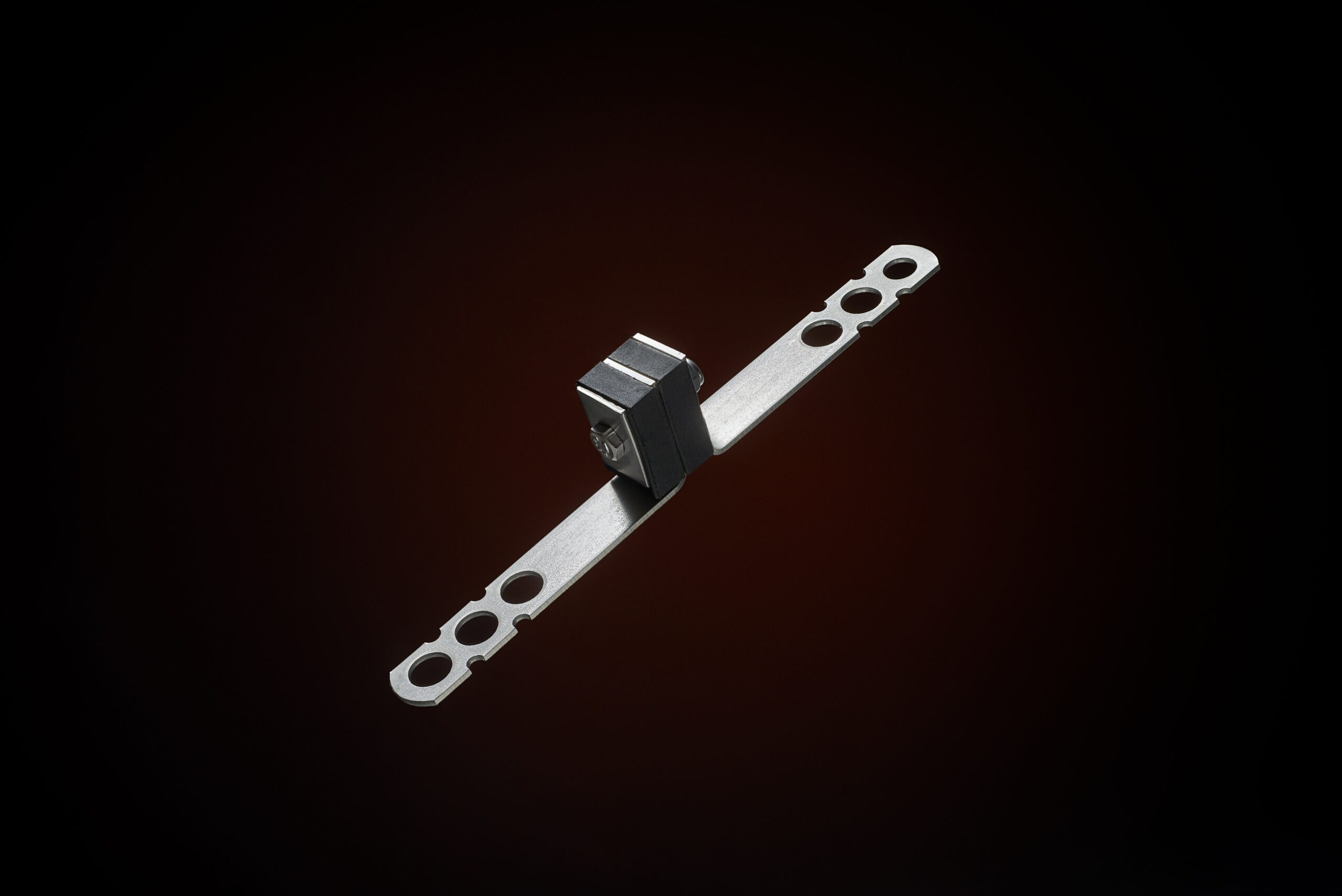
Acoustic cavity wall ties play an important role in buildings where controlling vibration and sound transmission is a key design requirement. While standard wall ties provide the structural connection needed between wall leaves, they can also create a path for vibration to travel across the cavity, potentially reducing the acoustic performance of the wall.
Acoustic wall ties are specifically designed to address this issue. By incorporating a resilient rubber acoustic element, they eliminate direct metal-to-metal contact between wall leaves, helping to minimise vibration transfer while maintaining the structural stability of the wall. This makes them a common requirement on projects where acoustic specifications call for enhanced sound insulation and vibration isolation.
What Are Acoustic Cavity Wall Ties and How Do They Work?
Acoustic brickwork and internal partition wall ties are designed to provide structural stability whilst attenuating noise and vibration across wall cavities. The natural rubber acoustic element ensures no metallic contact between external and inner brickwork and internal partitions. This helps minimise vibration transfer and improves overall sound insulation.
Our masonry ties are designed to BS EN 845 with a drip feature and safety ends. It’s important that the drip feature is exposed in the cavity and not embedded to allow water/moisture to drip off the wall ties.
Why Standard Wall Ties May Not Be Suitable for Acoustic Applications
Cavity walls are widely used to improve both thermal and acoustic performance by separating the inner and outer wall leaves with an air gap. However, while this does reduce vibration transmission, the two leaves still need to be connected structurally. Conventional wall ties create a direct transmission path between the wall leaves, allowing vibration and sound to pass through the cavity.
Acoustic wall ties are designed to reduce this effect by incorporating a rubber acoustic element to ensure no metallic contact between external and inner brickwork and internal partitions. This is particularly important in acoustically sensitive developments such as apartments, hotels, cinemas, recording studios and commercial buildings.
Key Benefits of Acoustic Cavity Wall Ties
Acoustic cavity wall ties provide several advantages in projects where controlling sound transmission is important.
Key benefits include:
- Reduced vibration transfer – The acoustic isolation element minimises the transfer of vibration between wall leaves.
- Reduced airborne sound transmission – By limiting vibration transfer across the cavity, acoustic wall ties help improve sound insulation between spaces.
- Maintained structural integrity – Acoustic wall ties continue to provide the structural restraint required between wall leaves while delivering acoustic benefits.
- Supports acoustic design requirements – Designed for use on projects where acoustic specifications call for acoustic wall ties to reduce vibration transfer.
Where Are Acoustic Cavity Wall Ties Commonly Used?
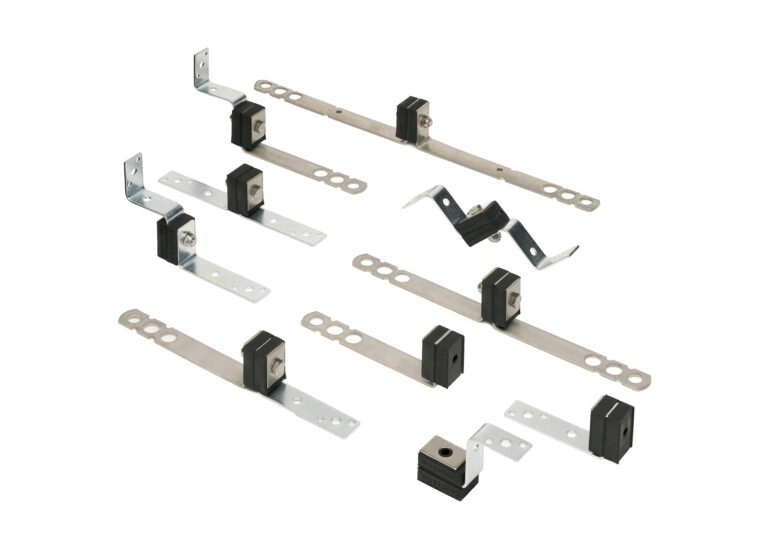
Acoustic wall ties are fitted where it is necessary to isolate a wall from sound and vibration. They help reduce vibration transmission between structures, limiting the amount of vibration that reaches adjacent rooms or external areas.
They can be used in many different applications such as:
- Cinemas and home theatres – Acoustic wall ties keep the sound and vibration within the room, helping to prevent vibration transfer from the walls into other spaces and enhancing the audience experience.
- Residential apartments and multi-occupancy buildings – They minimise the transfer of sound and vibration between adjacent buildings so that occupants benefit from a more pleasant living environment.
- Recording Studios and Music Rooms – Acoustic wall ties help to reduce the flow of unwanted sound and vibration from one space to the next, enabling musicians, music producers and audio engineers to work in the room without being concerned with external noise.
Key Considerations When Specifying Acoustic Wall Ties
Ensure the acoustic wall tie is suitable for both the wall construction and cavity width. Typical applications include external face brick/blockwork to inner cavity walls, wind post or studwork.
When selecting a wall tie, choose a model with a cavity range that most closely matches the required cavity width and adjust the embedment depth as necessary. Always maintain the minimum embedment depth specified by the manufacturer (50 mm for our acoustic wall ties) but avoid designing right at the minimum where possible.
Ensure wall loading and spacings do not exceed the acoustic wall tie maximum working load (ours is 0.75kN).
Finally, consider the material properties of the acoustic isolation element. Our wall ties incorporate natural rubber, so it’s important that no oil or solvent is allowed to contaminate the wall tie rubber during installation.
Common Mistakes to Avoid
- Not following the manufacturer’s installation instructions and relevant building regulations.
- Not providing the cavity size and wall construction details.
Final Thoughts
Acoustic cavity wall ties are an effective method for ensuring the structural stability of a cavity wall whilst minimising vibration transfer through the wall leaves. Acoustic wall ties work differently from traditional wall ties that can provide a direct transmission path between the walls. Acoustic wall ties include a resilient isolation element that enhances the overall acoustic performance of the wall assembly.
They are typically used in sound-sensitive applications like apartments, hotels, recording studios, and other configurations where vibration control is a critical design factor. Understanding how acoustic wall ties work, where they are used, and how they should be specified and installed can help designers and contractors achieve the required acoustic separation in cavity wall constructions.
When in doubt or in need of direction, the Christie & Grey team is always available to professionally assess your application and provide expert recommendations.
